RE GREEN
Creating Lasting Value for Eco-Friendly Products
Role
Product Designer
Timeline
3.5 months | 2023
Skills
Adobe XD, Ill(AI), PS, HTML, CSS, JS
Impact
Product
Established RE GREEN's first owned digital presence, reducing reliance on third-party marketplaces

Business
Created a scalable platform for future community features and partnerships
User
Transformed one-time transactions into long-term relationships by maintaining ongoing user engagement through LINE.

Environmental
Strengthened local food systems, demonstrated circular economy principles,and increased public awareness of sustainability.
Product Overview
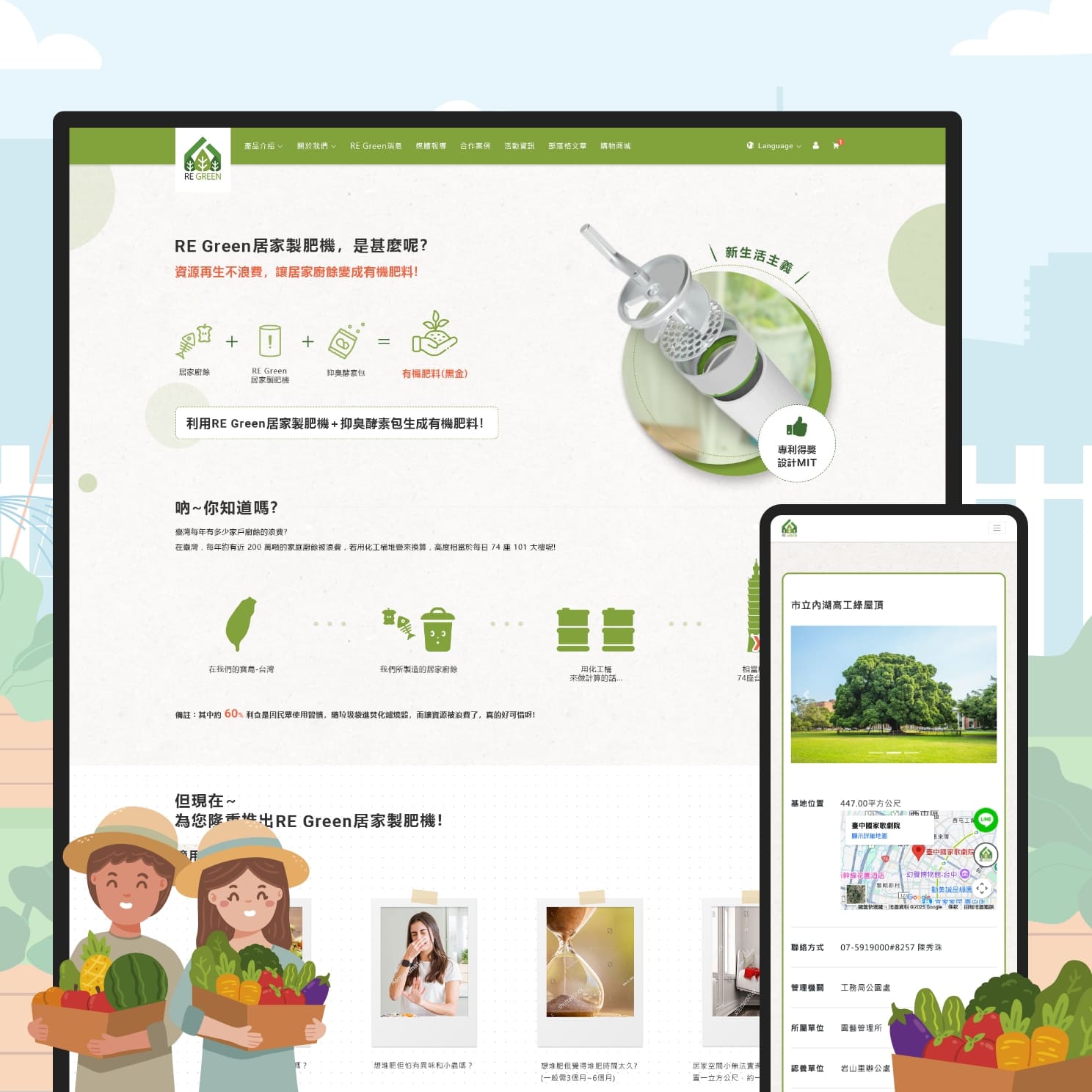
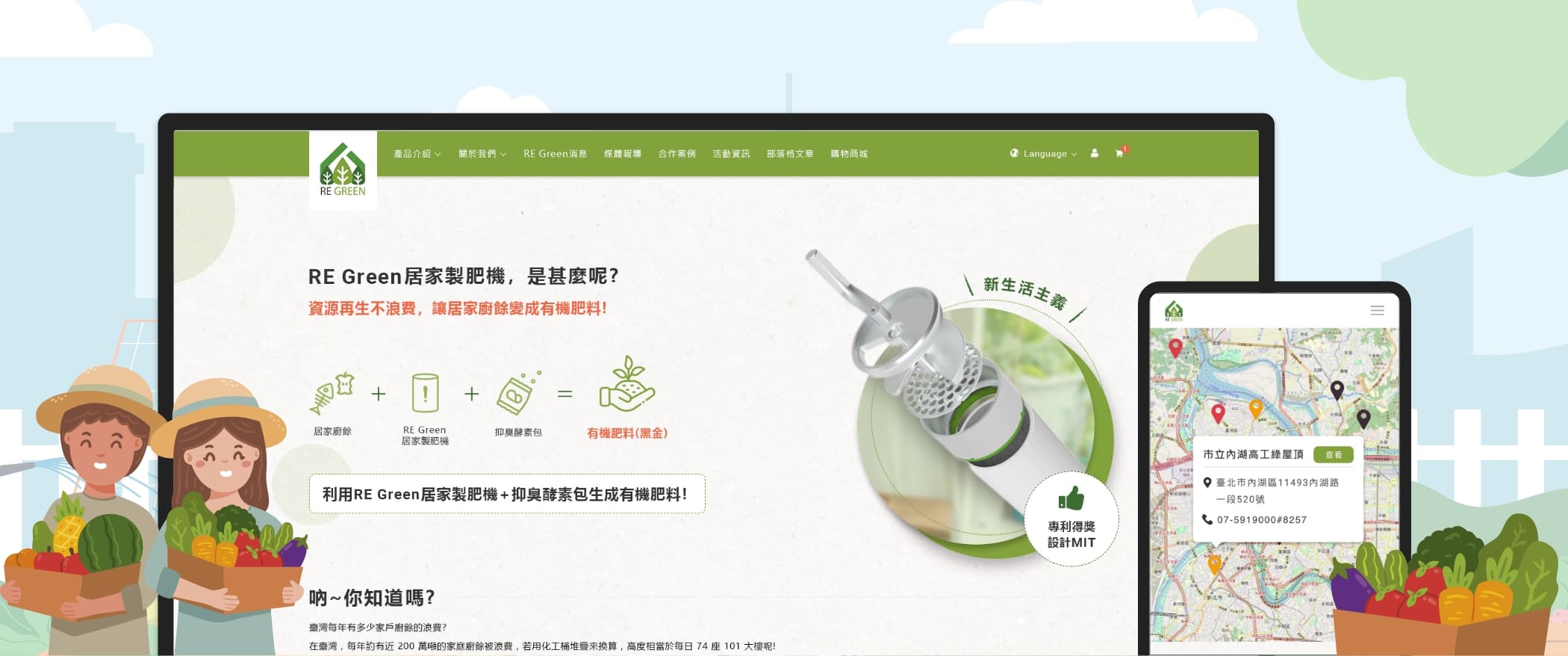
RE GREEN Digital Experience Design. I designed a complete digital ecosystem for RE GREEN—an enzyme-based kitchen composter—transforming it from a standalone product into a community-driven circular economy platform. The system includes a brand website, e-commerce platform, and a value-added service that connects users with urban farms, enabling them to exchange homemade fertilizer for fresh produce.
The Challenges
Kitchen Waste
40% of trash is kitchen waste
Low Recycling Rate
10% recycling rate
Toxic Dioxins
Burning produces toxic dioxins
In Taiwan, 40% of trash is kitchen waste, yet the recycling rate has remained below 10% for over a decade. Additionally, the air pollution caused by incinerating kitchen waste poses serious environmental and public health risks. RE GREEN developed an enzyme-based composter that successfully converts kitchen waste into organic fertilizer—but lacked digital infrastructure to reach customers and create lasting engagement. However, the business faced three critical challenges:

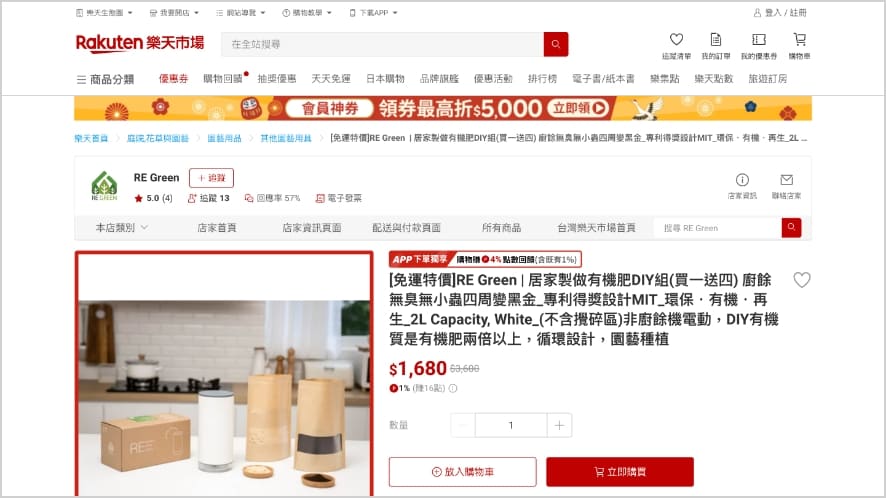
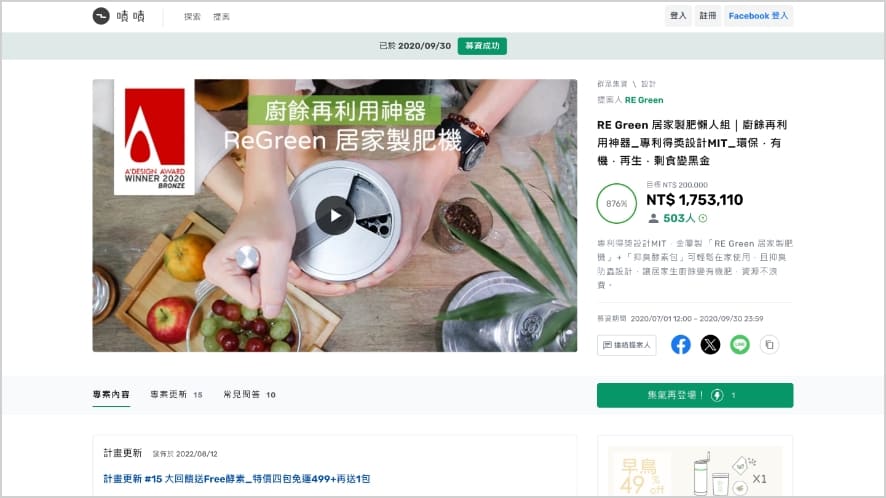
No Owned Digital Presence
The brand relied entirely on third-party platforms (crowdfunding, marketplaces), with no owned channel to communicate values or build direct customer relationships.
Anticipated User Experience Issue
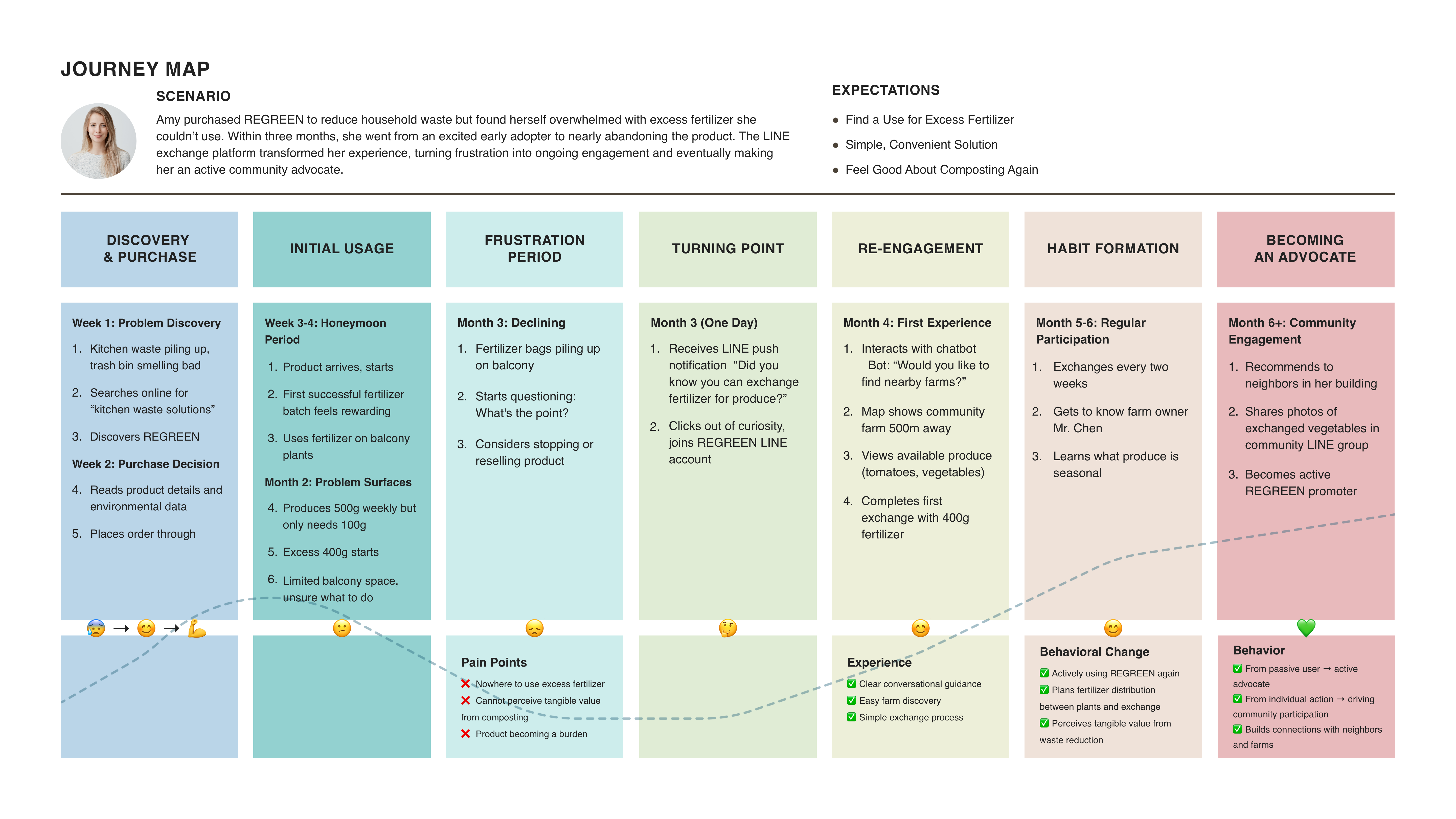
Research with early adopters revealed urban users produce more fertilizer than they can use. With limited balcony space, excess fertilizer becomes a storage burden, leading to frustration and product abandonment.
Amy, 35, Taipei apartment resident
I bought REGREEN to reduce waste, and it works well. I produce about 500 grams of fertilizer each week, but my balcony plants only need around 100 grams. I could stop using it, but then I would be throwing kitchen waste back in the trash, which defeats the whole purpose. The fertilizer kept piling up, and after a month, I had nowhere to put it. At some point, I started wondering if this was actually solving the problem.

Rapid decline in usage motivation

Product becoming an unused appliance

Unable to perceive tangible value from waste reduction
Transactional Business Model
One-time hardware sales offered no ongoing engagement, community building, or opportunities to create sustained value.
Opportunity

How might we create a digital ecosystem that establishes brand presence, solves the excess fertilizer problem, and transforms one-time buyers into an engaged community?
Solutions

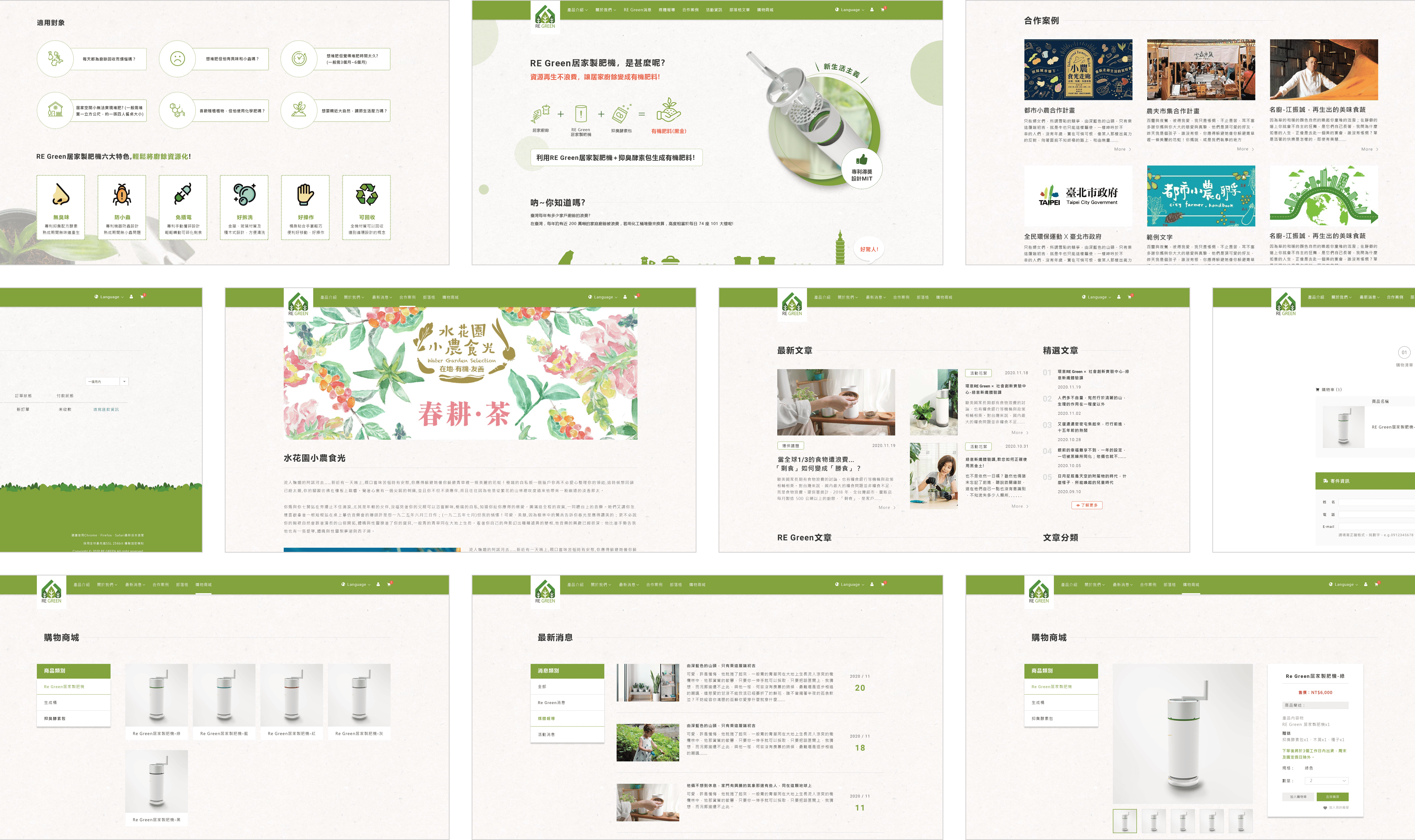
Brand Website
Establish Brand Presence and Communicate Environmental Values

E-commerce Function
Provide seamless online shopping experience
- Streamlined checkout flow
- Clear pricing and information
- Multiple payment options
Value-Added Service
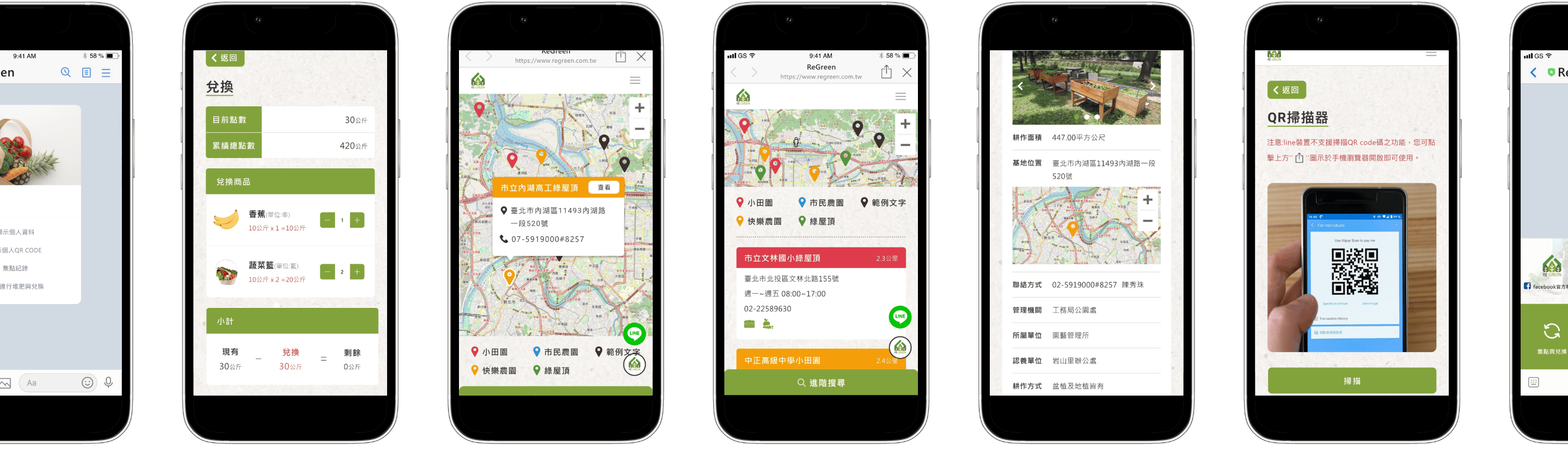
Build a fertilizer exchange system on LINE that connects users with urban farms, turning excess kitchen waste into fresh produce and supporting a circular economy.
Value-Added Service
Why LINE? Platform Selection Considerations
When the team discussed implementation approaches for the value-added service, we considered several options:
Criteria
Website
Standalone APP
LINE Official Account
User Adoption
Must remember to return
Low willingness to download
99.4% + already using daily
Real-time Interaction
Limited
Full support
Full support
Push Notifications
Limited capability
Native support
Reliable delivery
Development Cost
Low
High
Medium
Maintenance
Low
High ongoing cost
Low
Visibility
Depends on SEO
App Store competition
Built-in user base
Age Accessibility
20-60
20-50
20-70
Design
Value-Added Service
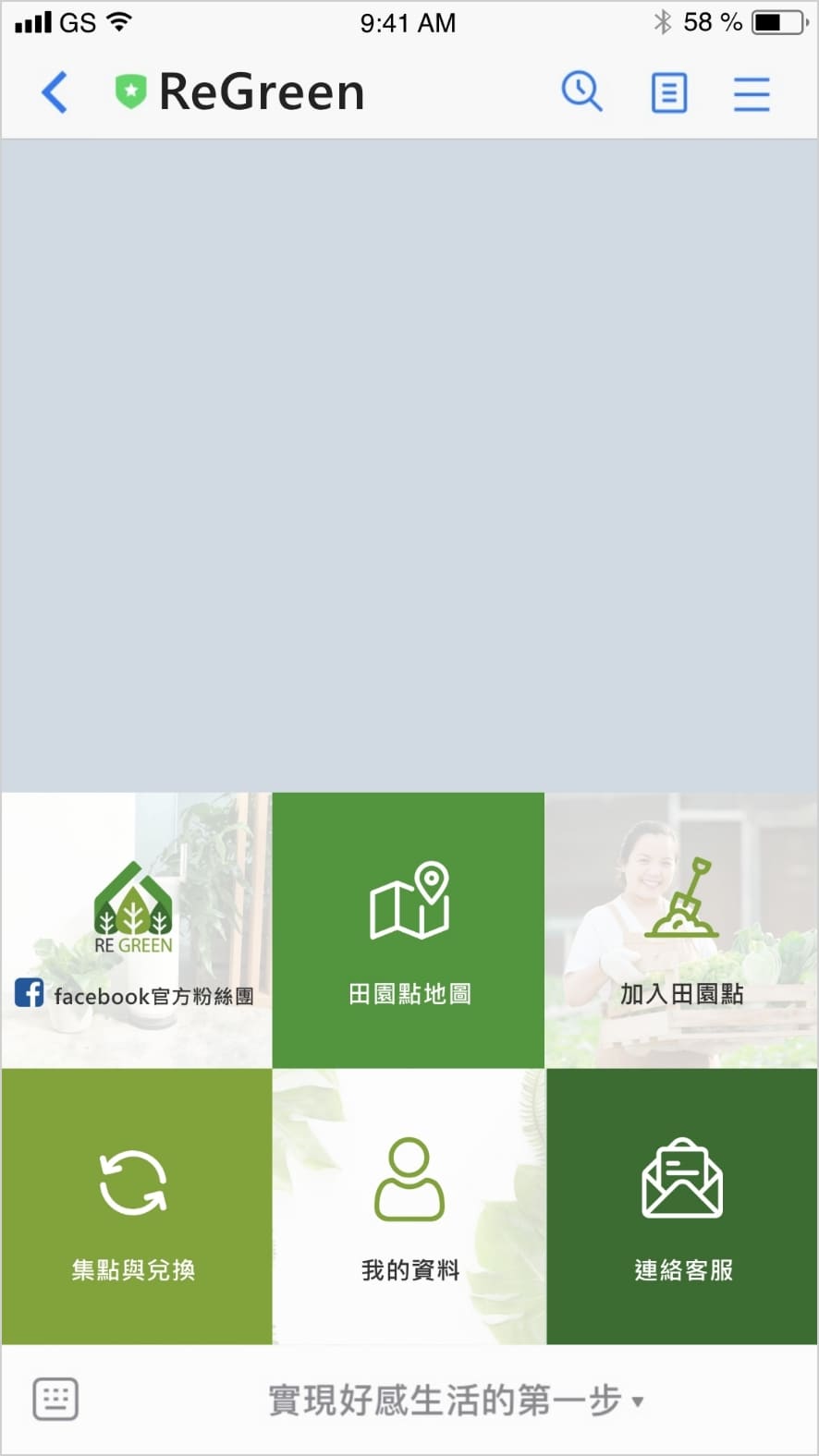
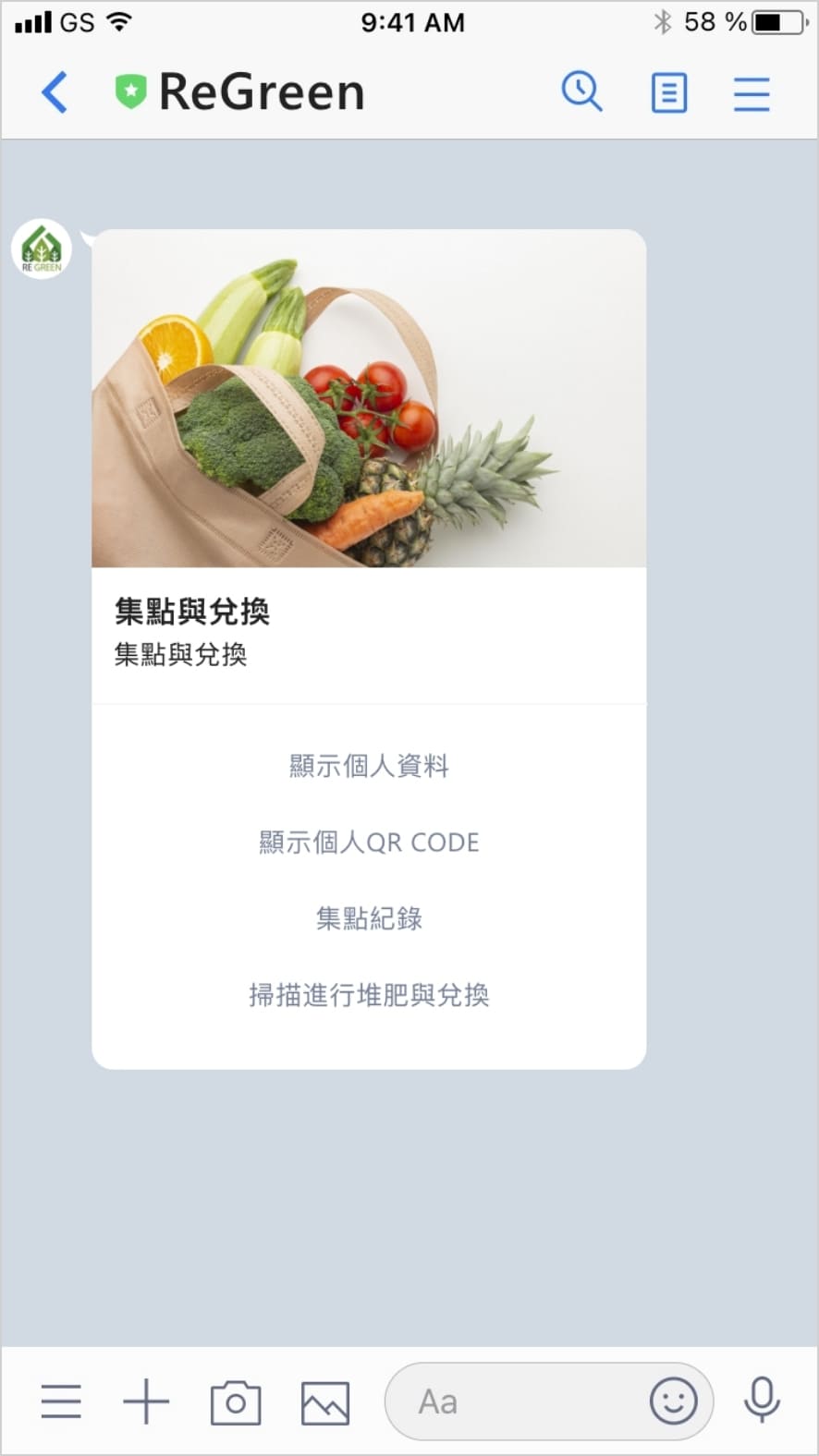
Leveraging LINE's widespread adoption and automated chatbot responses helps achieve business objectives while reducing customer service burden.
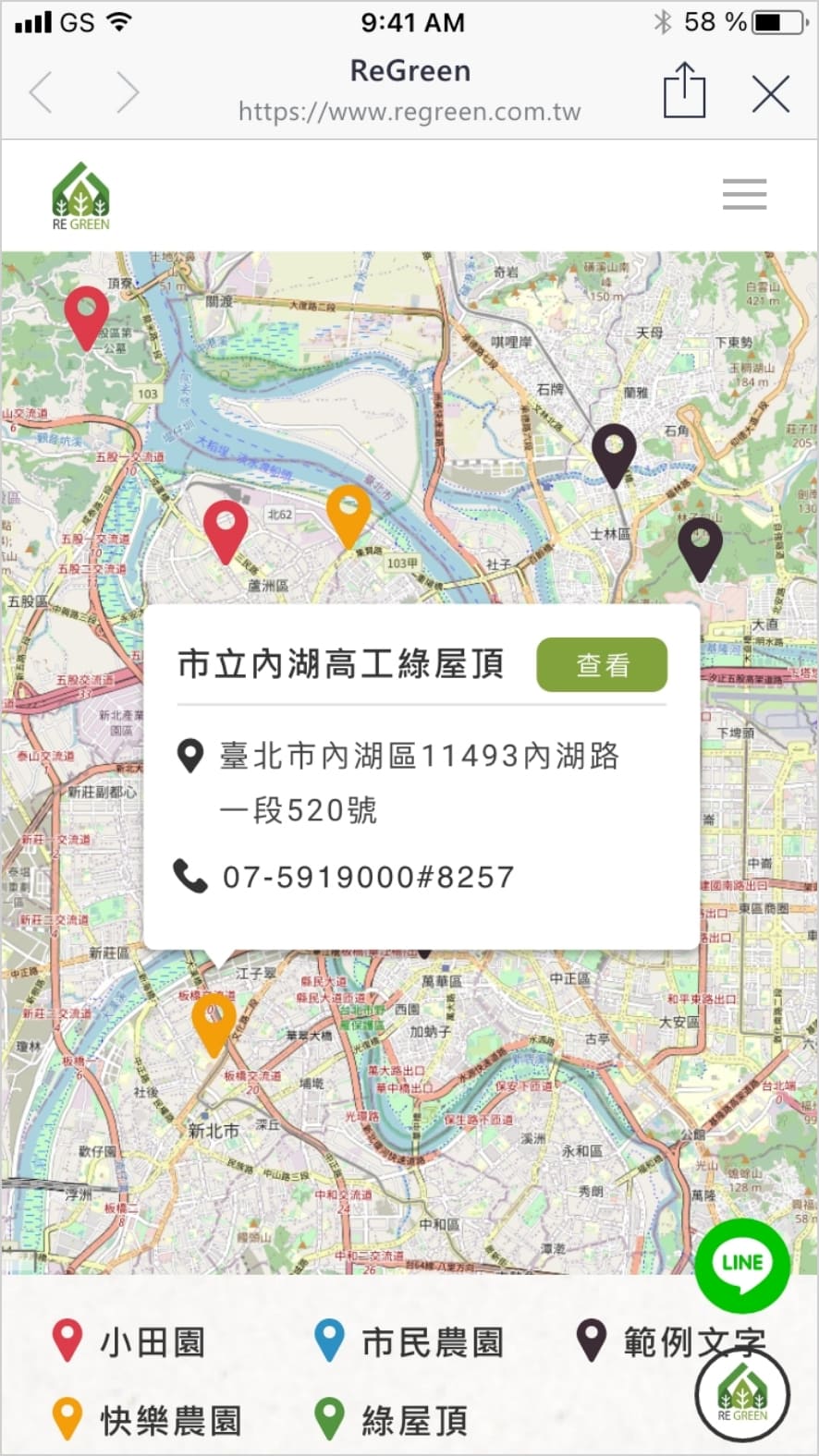
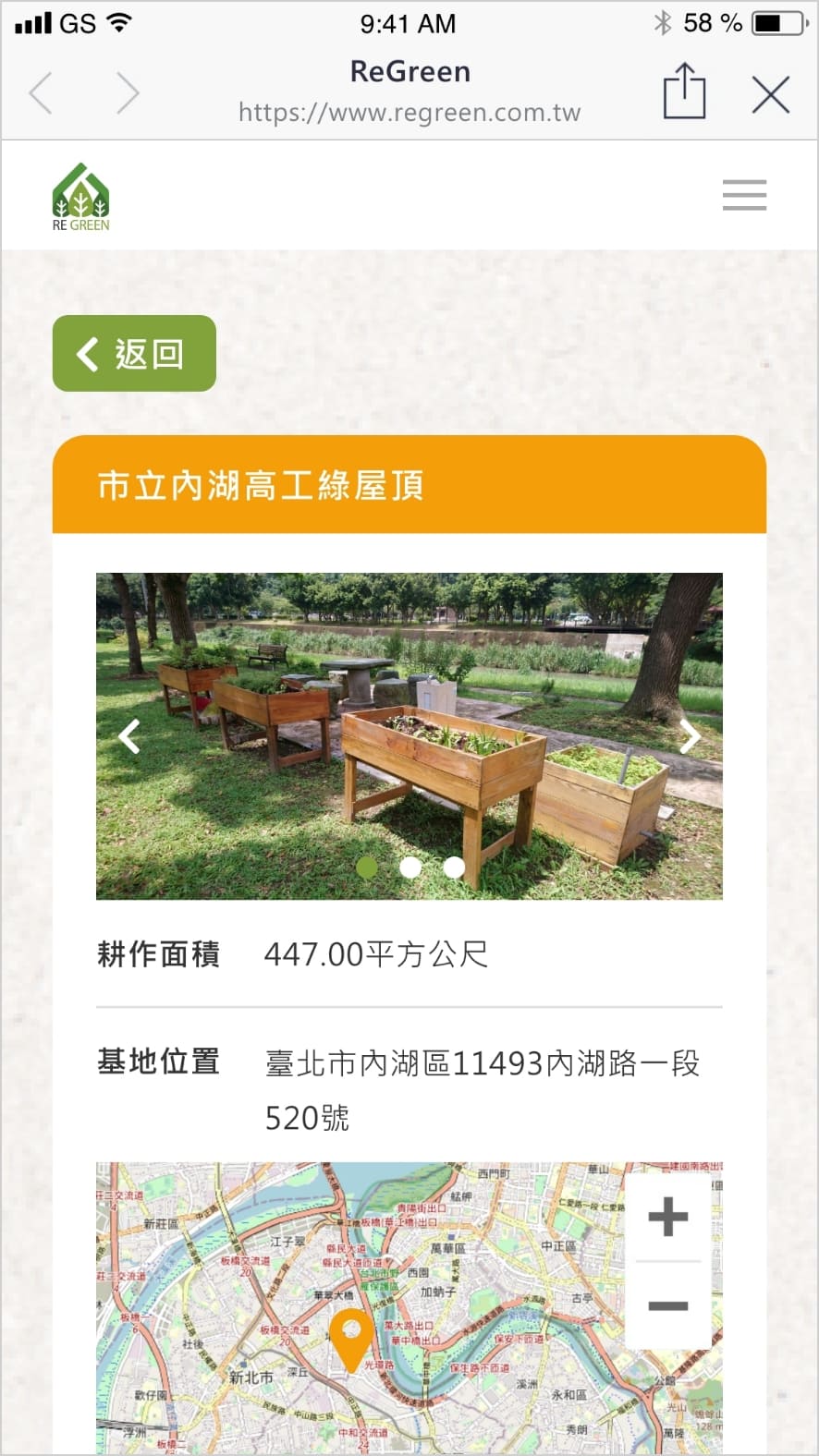
Urban farms are mapped with icons for produce exchange; unavailable items are grayed out.
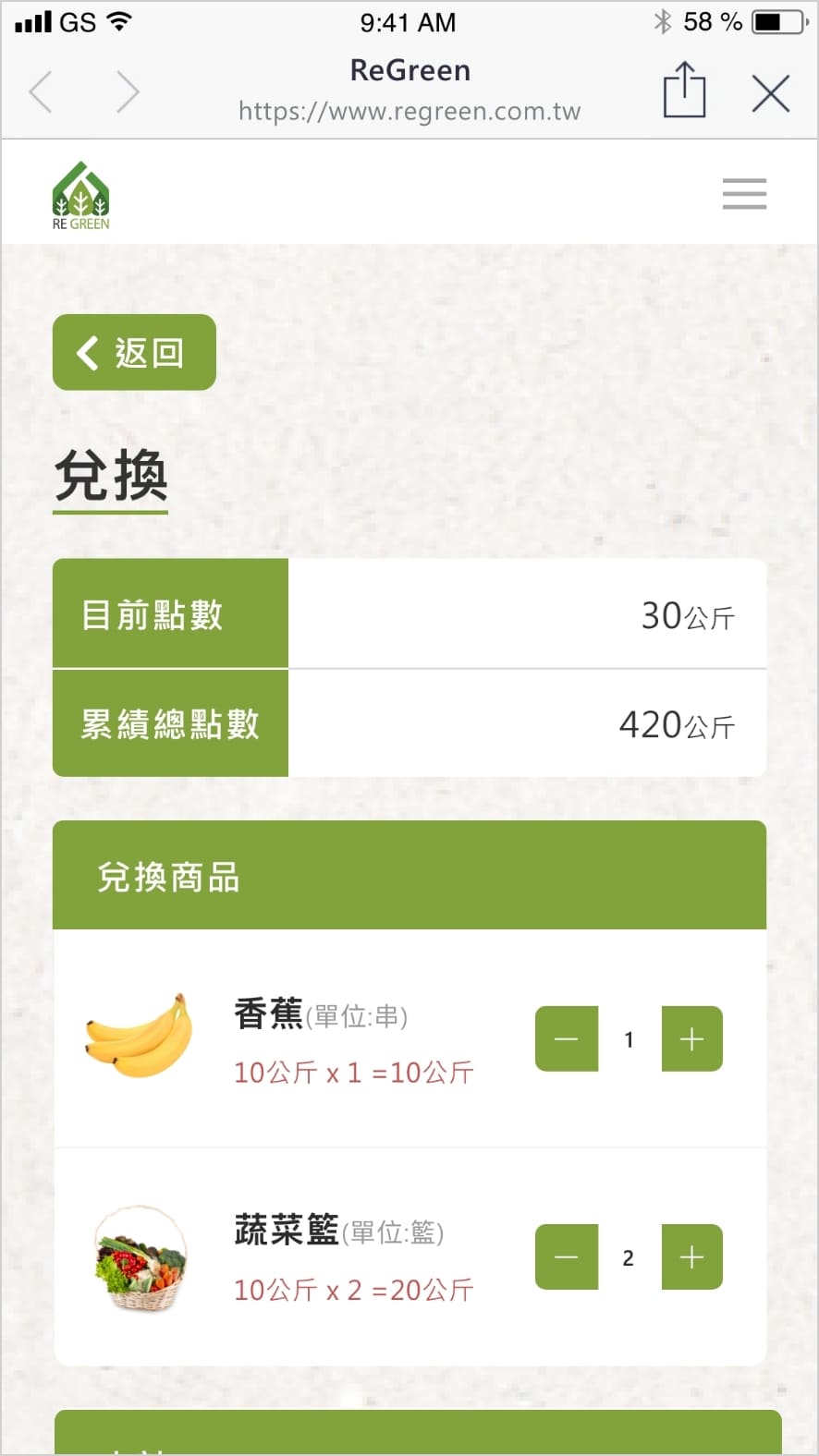
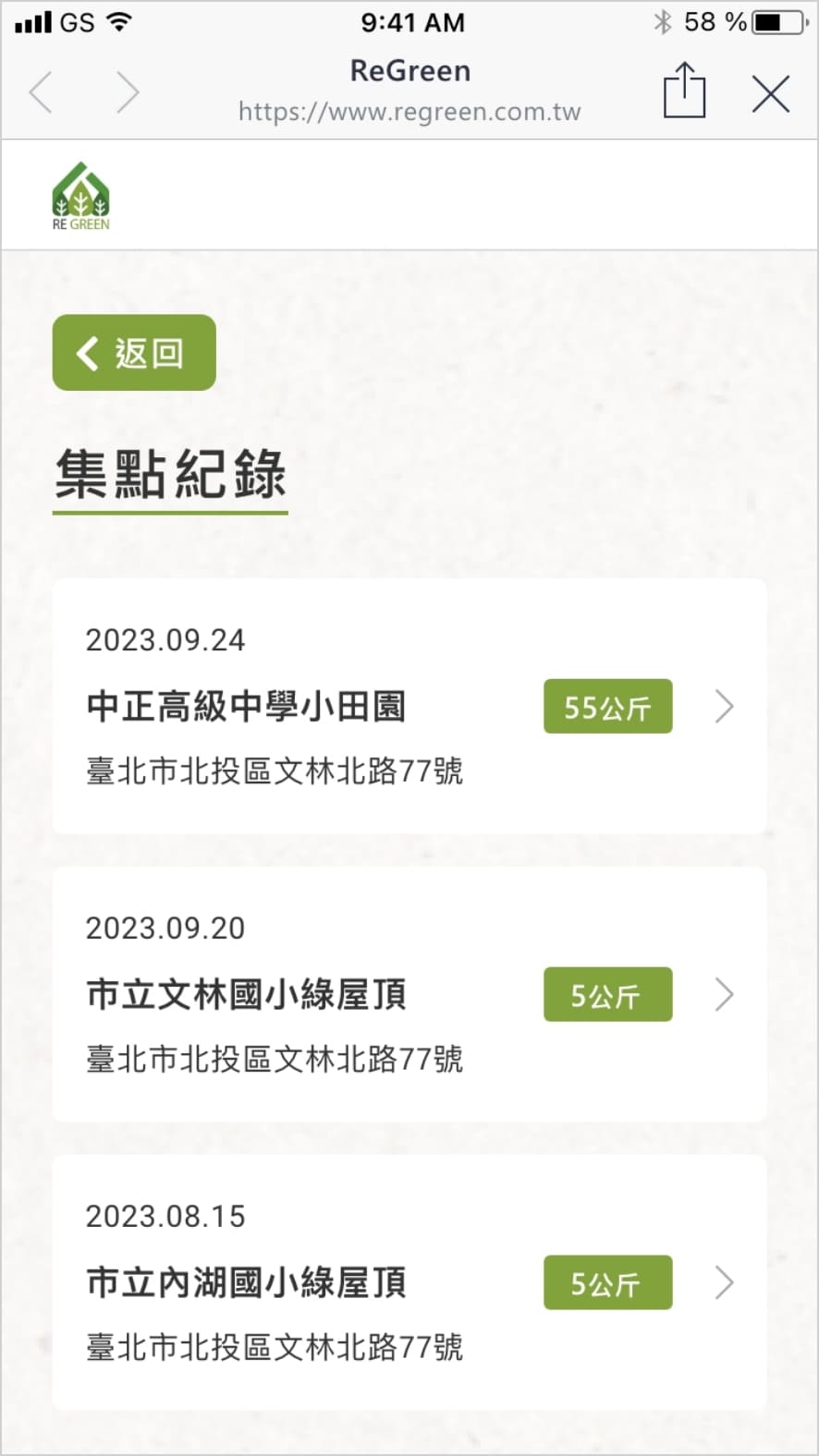
Users exchange fertilizer for produce through a dedicated transaction tool.
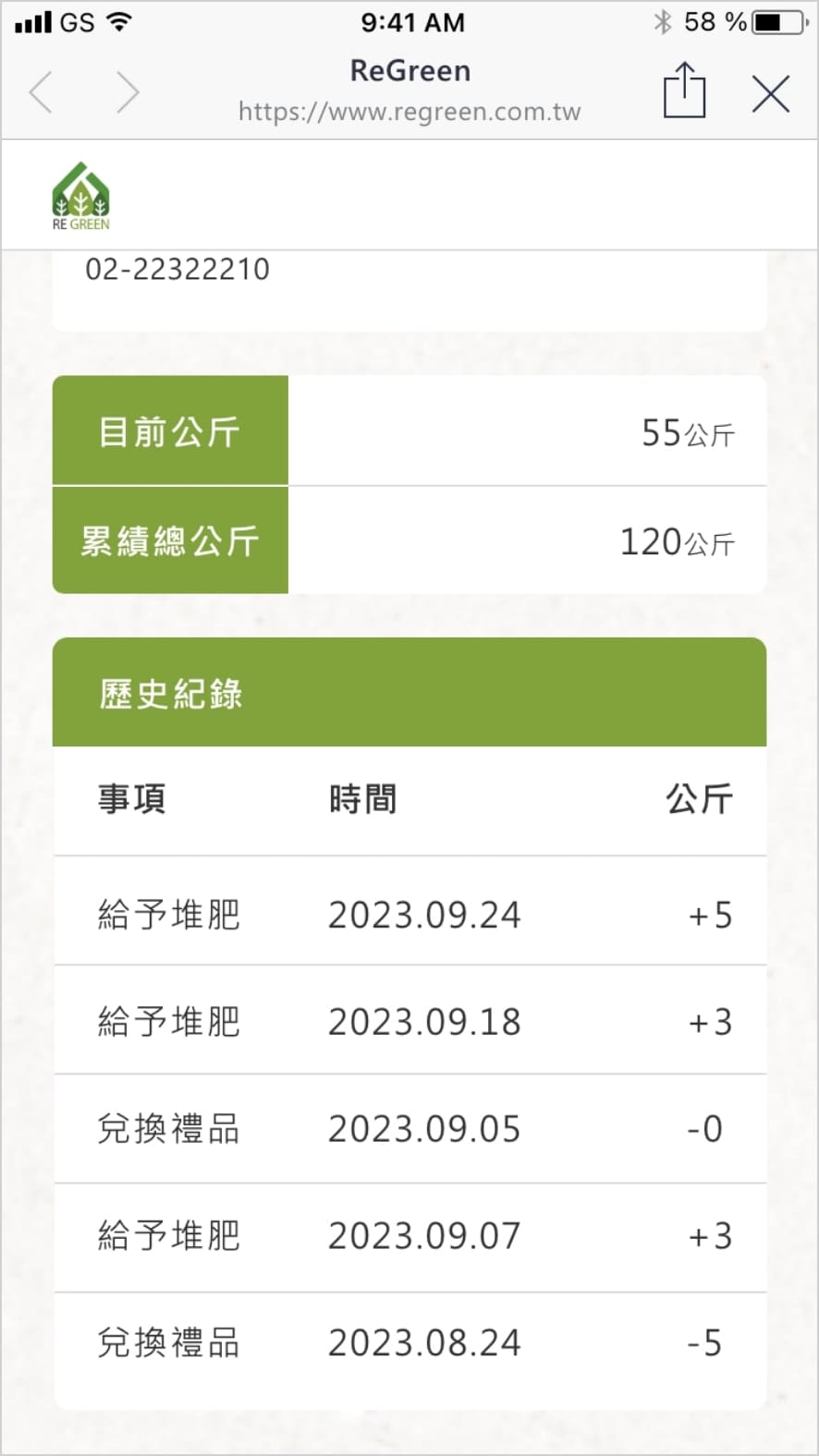
The system tracks and displays all past exchange transactions.
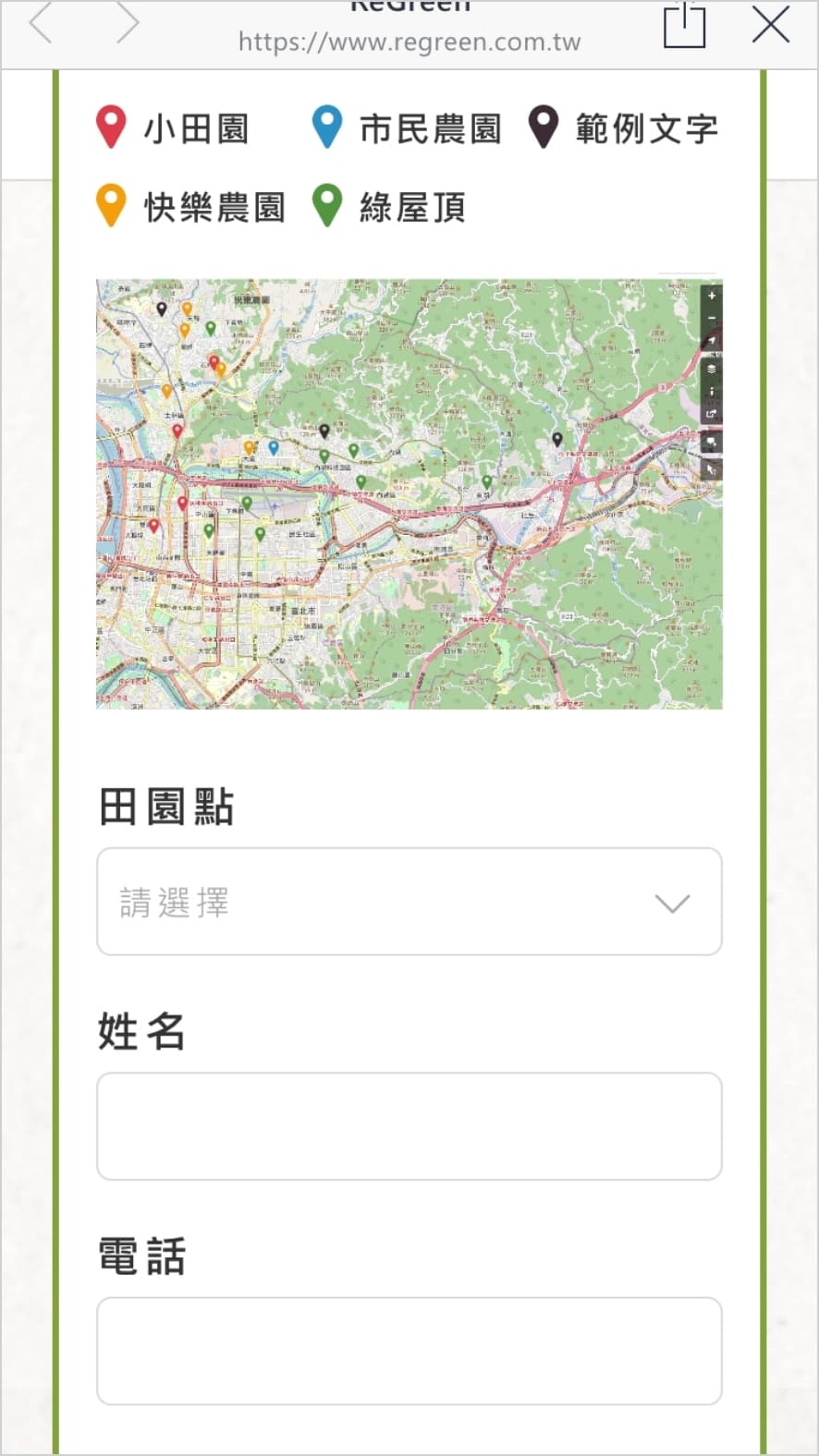
Users can establish their own farms within the platform, transforming from consumers into community contributors.
Reflections
- Systems Thinking Over Interface Design: Design isn’t just about screens—it’s about creating ecosystems. RE GREEN’s value lies in how it connects people with each other and with the environment.
- Systems Thinking Designing Beyond the Product: Choosing LINE over a custom app taught me that user adoption matters more than feature ownership. We gained immediate reach by working within an ecosystem users already trusted. RE GREEN taught me to think in systems—designing not just a composting device interface, but an entire ecosystem connecting users, farms, and the circular economy.
- Conversational Design Fundamentals: My first chatbot project taught me how structured dialogue options reduce decision paralysis, making services accessible across all user skill levels.
- Behavioral Design Designing for Habit Formation: Creating a reward system that exchanges fertilizer for produce taught me how tangible incentives can transform occasional behaviors into lasting habits.
